

Integration Pair
Business Central & Rithum
Connect Business Central to Rithum’s Dsco and OrderStream programmes. Sync retailer drop-ship orders, shipments, invoices and inventory automatically.
Patchworks connects Rithum, the commerce network that brought together ChannelAdvisor, CommerceHub and Dsco, to your ERP, ecommerce platform and 3PL. Marketplace orders, retailer dropship orders, stock, shipments and invoices move automatically between Rithum and the rest of your stack, on an integration platform (iPaaS) trusted by 1,700+ brands.
Start with the Business Central & Rithum Integration Pair, or connect any system with AI Studio.
Supporting complex retail operations across fast-growing brands












| Item |
|
|---|---|
| Rithum networks |
Marketplace and channel management (ChannelAdvisor) and dropship and retailer networks (CommerceHub and Dsco), including OrderStream
|
| How Patchworks connects |
Through Rithum’s APIs, with Connector Builder and AI Studio for anything specific to your setup
|
| What it connects |
Listings and products, stock, marketplace orders, retailer purchase orders, shipments and tracking, invoices, cancellations and returns
|
| Connects Rithum to |
Any system with an API or MCP server: ERP, ecommerce, WMS and 3PL, PIM and CRM
|
| Integration Pairs |
Business Central & Rithum (Dsco and OrderStream)
|
| Triggers |
Scheduled, webhook and event-driven process flows
|
| Security |
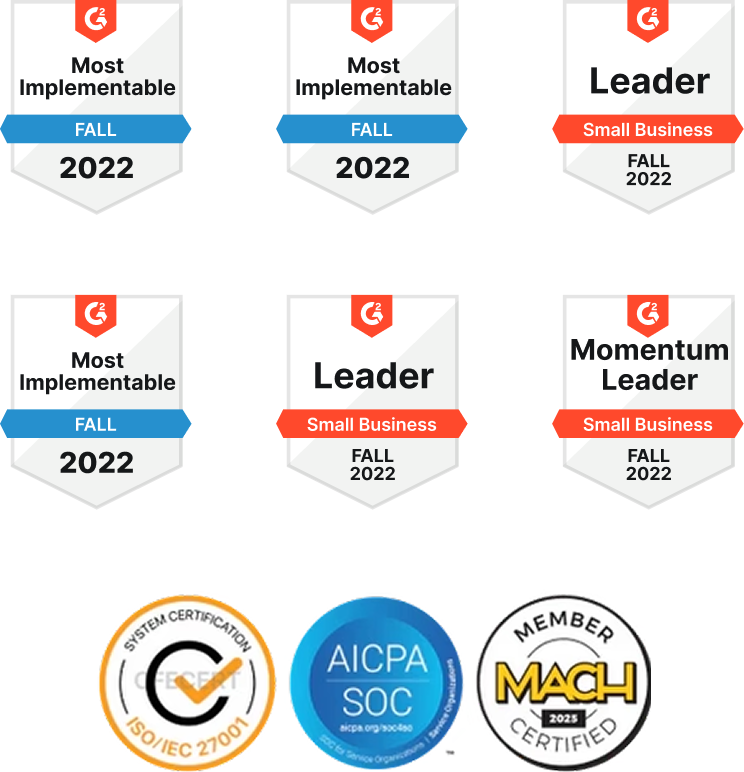
SOC 2 and ISO 27001
|
| Pricing |
Based on connected systems and monthly operations, with unlimited users
|

For brands selling on marketplaces and retail sites. Sync listings, stock and pricing out to Rithum, bring marketplace orders back into your ERP or OMS, and send shipment and tracking updates to every channel.

For suppliers fulfilling retailer dropship orders, including through OrderStream. Send stock feeds to your retailers, receive their purchase orders as sales orders, post ship confirmations with tracking, and upload invoices against each order.
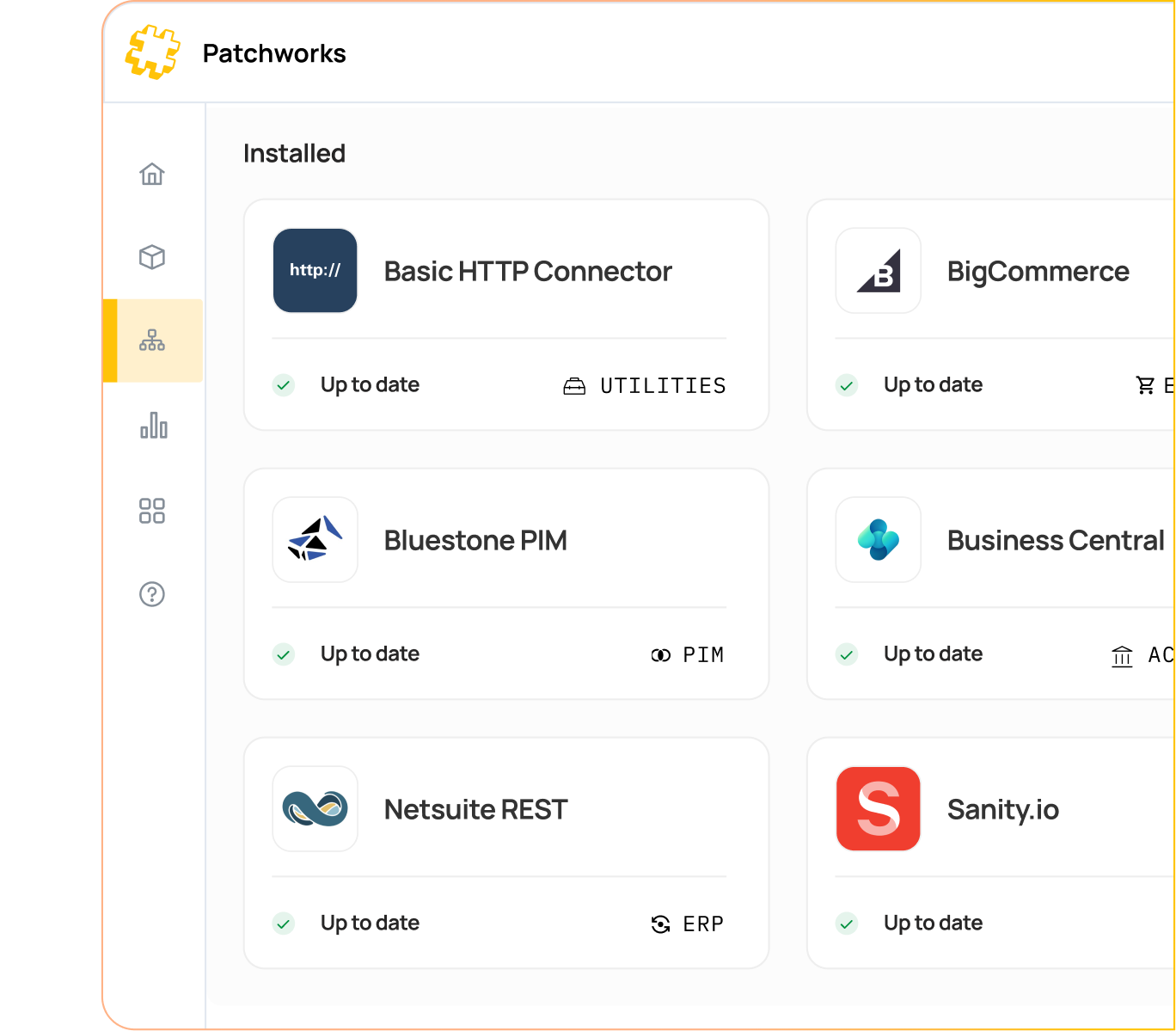
Turn Rithum marketplace orders and retailer purchase orders into ERP sales orders, and send stock and invoices back. Connect Microsoft Dynamics 365 Business Central with our Integration Pair, or NetSuite, Sage and SAP with the same approach.
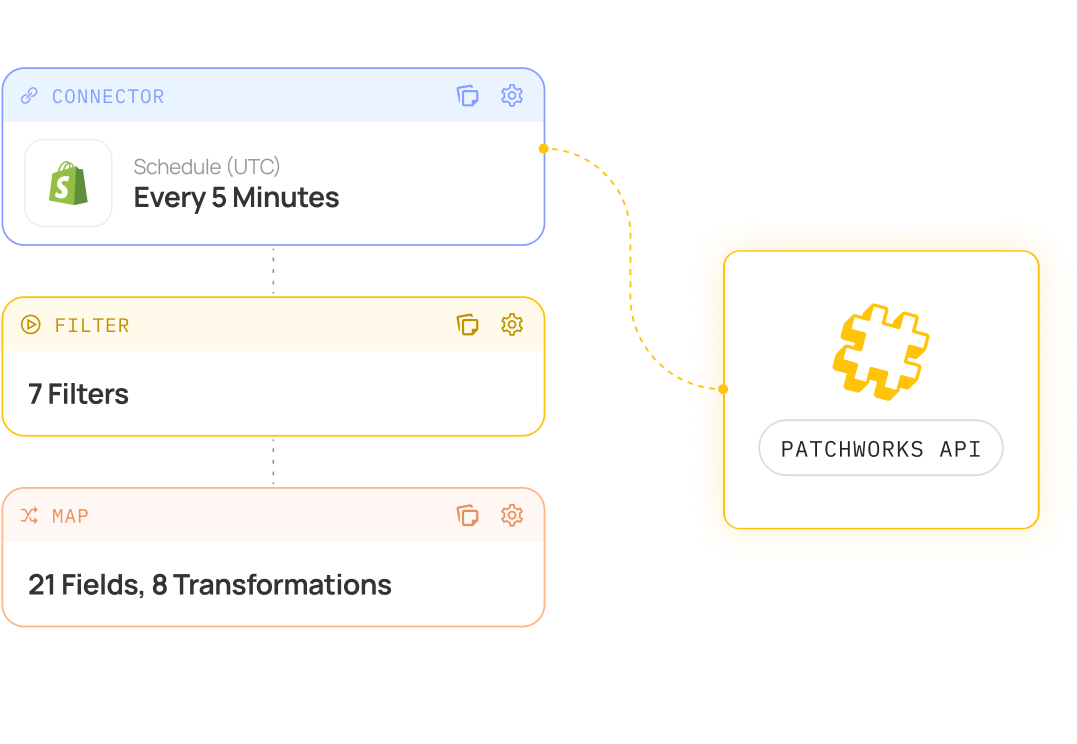
Run your own storefront and your Rithum channels from one stock pool. Connect Shopify, Adobe Commerce (Magento) or BigCommerce, so stock and product data stay consistent everywhere you sell.
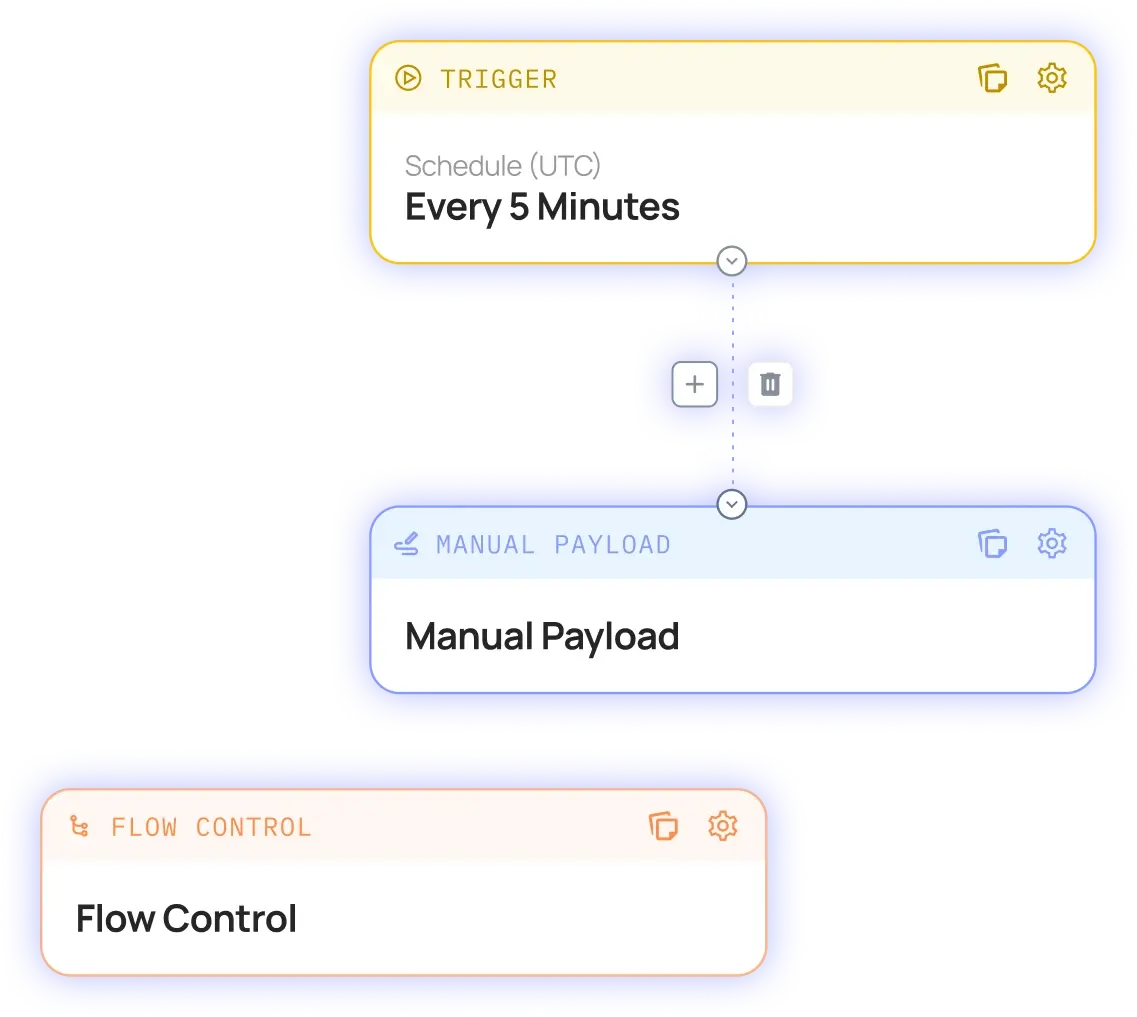
Connect Descartes Peoplevox, GXO or ShipBob so ship confirmations and tracking reach Rithum as soon as orders leave the warehouse, which keeps retailers and marketplaces updated on time.

EDI
Handle Rithum alongside your direct EDI trading partners on one platform. Purchase orders, ship notices and invoices follow the same flows, whichever route a retailer uses.
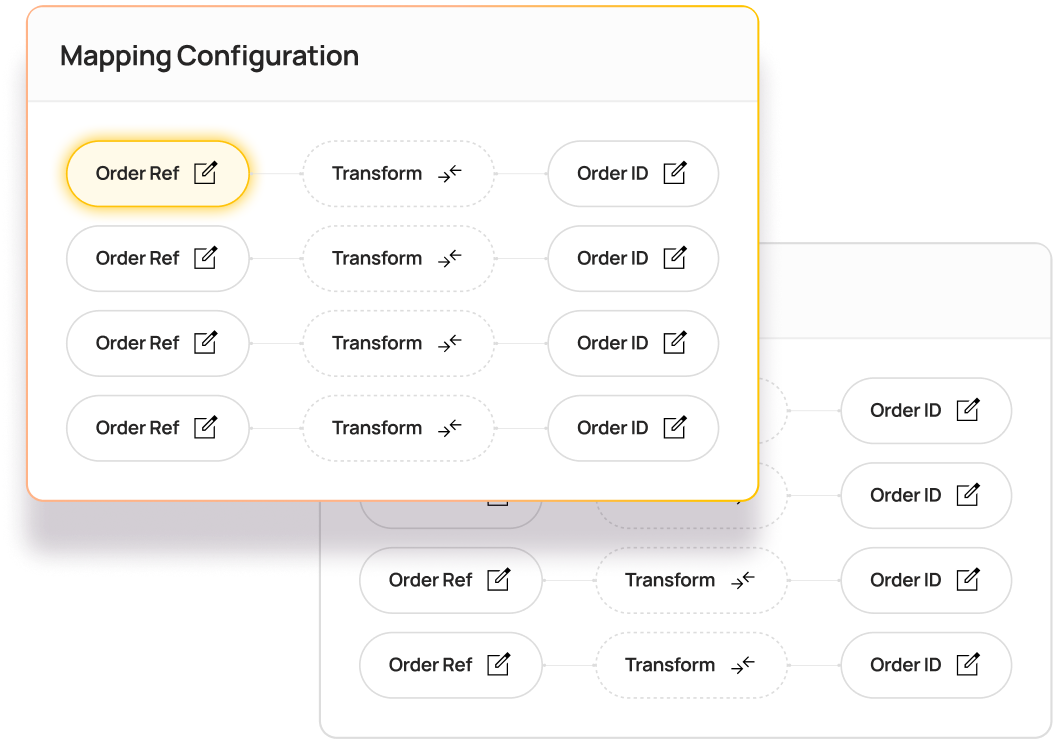
Publish product content from Akeneo or another PIM to Rithum, so every marketplace and retail listing has accurate, complete product information.
If a system has an API or an MCP server, Patchworks can connect it to Rithum. Describe the integration in a prompt, or upload an API specification or JSON file, and AI Studio’s Implementation Agent builds the connector, process flows and field mappings for you, typically giving you a working model in minutes.

| Item |
Details
|
|---|---|
| Listings and products |
Product data and pricing are published from your ERP or PIM to Rithum for every marketplace and retail channel.
|
| Stock |
Available stock is sent to Rithum, so marketplaces and retailers only sell what you can ship.
|
| Marketplace orders |
Orders from Rithum-connected marketplaces are created in your ERP or OMS with the customer, lines and pricing.
|
| Retailer purchase orders |
Dropship purchase orders from CommerceHub and Dsco retailers are created as sales orders, with the retailer and ship-to details.
|
| Shipments and tracking |
Carrier and tracking details are posted back to Rithum when orders ship.
|
| Invoices, cancellations and returns |
Invoices are uploaded against each order, and cancellations and returns are recorded in both systems.
|
Rithum integrations are tested in the holiday season, when marketplace orders surge and retailers expect every purchase order acknowledged and every shipment confirmed on time.
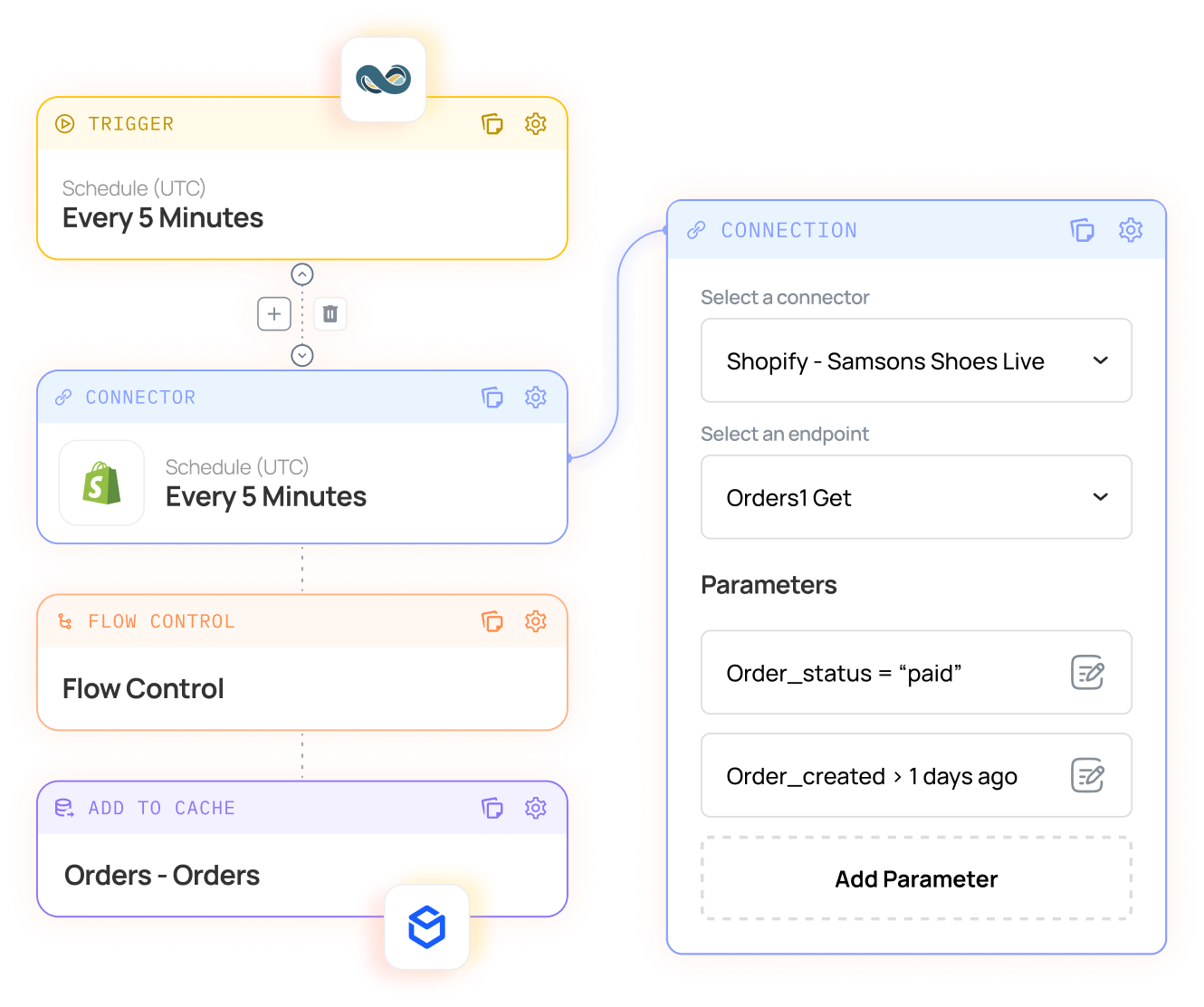
Reduction in Error Rates

“What surprised me was just how effortless it was. Once the data was prepared properly, Patchworks moved it into Shopify incredibly fast.”
Andy Richley
Head of Tech, Castore
Total Managed Flows

“Patchworks offers a great portfolio of integrations and are working towards many more.”
Paula Abisolo
Omni-Channel Delivery Lead, Mint Velvet
Rithum integration connects Rithum’s marketplace and dropship networks to the other systems your business runs on, such as your ERP, ecommerce platform, warehouse and PIM. Listings, stock, orders, shipments and invoices then move automatically between Rithum and your stack, instead of through manual uploads or separate tools. See our marketplace integrations.
Rithum is the brand that brought together ChannelAdvisor, CommerceHub, Dsco and Cadeera. ChannelAdvisor’s marketplace and channel management capabilities are now part of Rithum, alongside CommerceHub and Dsco’s dropship and retailer networks. Whichever name your team still uses, Patchworks connects to the same Rithum platform.
Patchworks sends your stock feeds to Rithum so retailers can sell your products, then receives their dropship purchase orders and creates them as sales orders in your ERP. When orders ship, carrier and tracking details go back to Rithum, and invoices are uploaded against each order. CommerceHub here means Rithum’s dropship network, not the payments product of the same name. See Business Central & Rithum.
Yes. Rithum provides APIs for its marketplace platform and its dropship networks, which Patchworks uses to read and write listings, stock, orders, shipments and invoices. Patchworks handles the authentication, mapping, retries and monitoring, so your team doesn’t maintain custom code. Anything specific to your setup can be added with Connector Builder.
Yes. Many suppliers receive orders through Rithum from some retailers and through direct EDI from others. Patchworks runs both on the same platform, so purchase orders, ship notices and invoices follow consistent flows and draw on the same stock, whichever route an order comes from. See our EDI integrations.
Connect Shopify through the Patchworks app and Rithum through its APIs, then configure the flows. Product data and stock from your Shopify or ERP setup are published to Rithum, and Rithum orders are fulfilled from the same stock as your Shopify store, so you don’t oversell. See our Shopify integration.
For Microsoft Dynamics 365 Business Central, start with our Business Central & Rithum Integration Pair, which brings Dsco and OrderStream dropship orders into Business Central as sales orders and sends stock, shipments and invoices back. NetSuite connects the same way through Patchworks. See our NetSuite integration.
Yes. Patchworks sends Rithum orders to your WMS or 3PL, including Descartes Peoplevox, GXO and ShipBob, and posts ship confirmations and tracking back to Rithum as soon as orders leave the warehouse. That keeps retailers and marketplaces updated on time. See 3PL and fulfilment orchestration.
If you only need Rithum connected to one other system, a direct integration can be enough. Businesses choose an integration platform such as Patchworks when Rithum needs to work with an ERP, a storefront, a 3PL, a PIM and direct EDI partners at once, because every connection then runs through one layer, with the same mapping, monitoring and error handling. Compare iPaaS platforms.
DO use a direct integration if Rithum only needs to connect to one other system.
DON’T add a separate tool for every connection when Rithum needs to work with your ERP, storefront, 3PL, PIM and EDI partners.
Yes. Patchworks runs marketplace flows and dropship flows side by side on one platform, drawing on the same stock and reporting through the same run logs. That way a sale through a marketplace and a retailer dropship order never compete for stock you don’t have.
It depends on how many systems you connect and how much data moves between them. Patchworks pricing is based on the number of connectors and monthly operations. An operation is counted each time Patchworks sends or receives a data payload. Every plan includes unlimited users. See pricing.
Most teams connect their first systems and deploy initial flows within days, and more complex marketplace and dropship estates typically go live in weeks. You can implement in-house with support from Patchworks’ engineers, or work with one of our approved agency partners.
Yes, as long as it has an API or an MCP server. In AI Studio, describe the integration in a prompt or upload an API specification or JSON file, and the Implementation Agent builds the connector, process flows and field mappings, typically giving you a working model in minutes.
BOOK DEMO
To ensure you get the best from your personalised demo, we need to gather some information. This helps us match you with an expert who understands your needs.
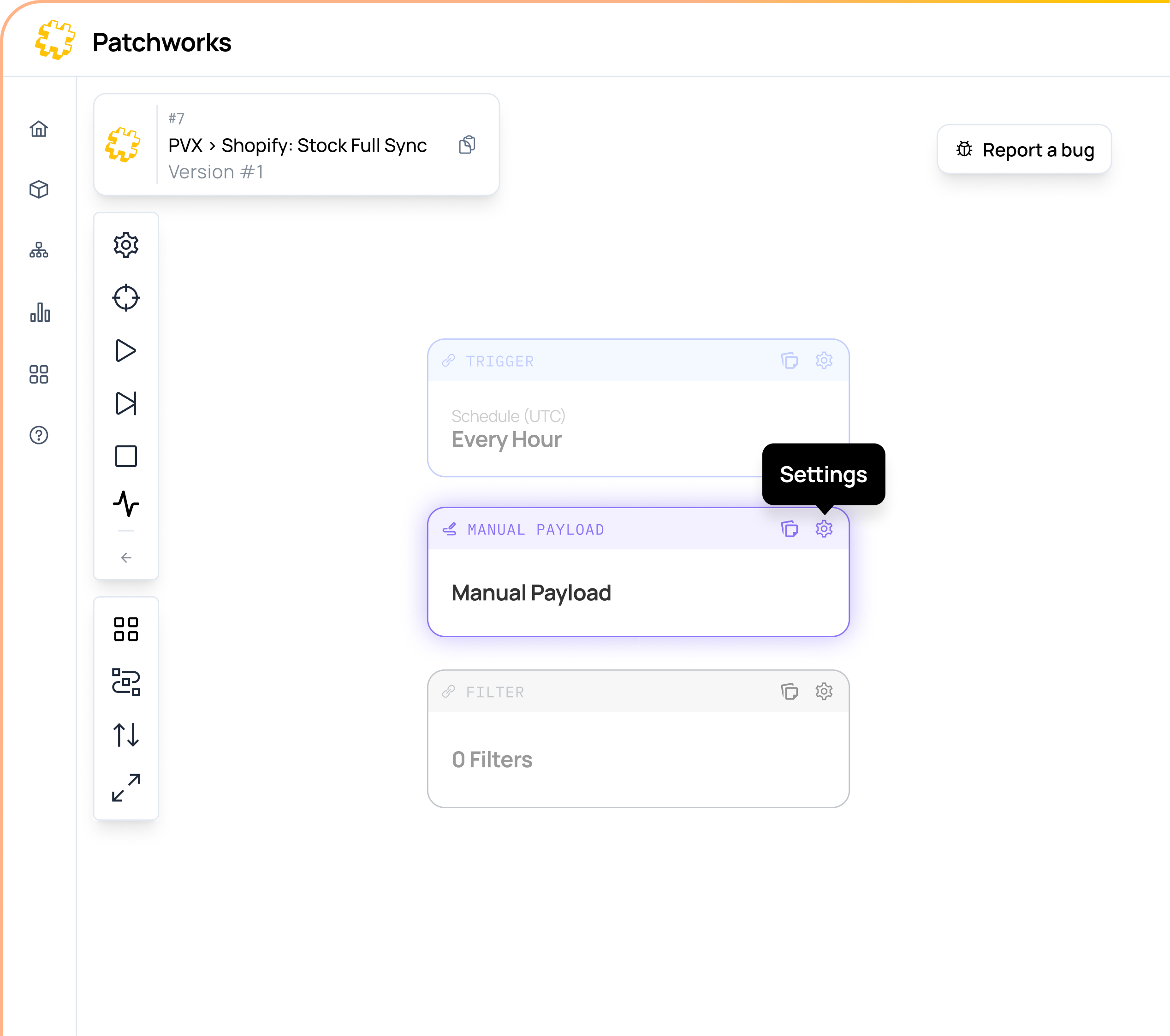
Partner application
To make the most of your partnership application with Patchworks, we need to collect some details. This allows us to connect you with a representative who can address your specific requirements.

“You should have partnered with Patchworks yesterday. It saves time, cuts costs, and most importantly keeps your customers happy.”
Gentian Shero
Co-Founder & Chief Strategy Officer, Shero Commerce
“You should have partnered with Patchworks yesterday. It saves time, cuts costs, and most importantly keeps your customers happy.”
Gentian Shero
Co-Founder & Chief Strategy Officer, Shero Commerce
Partner match making
Tell us a little about yourself and your company, and we’ll find the perfect expert to help.
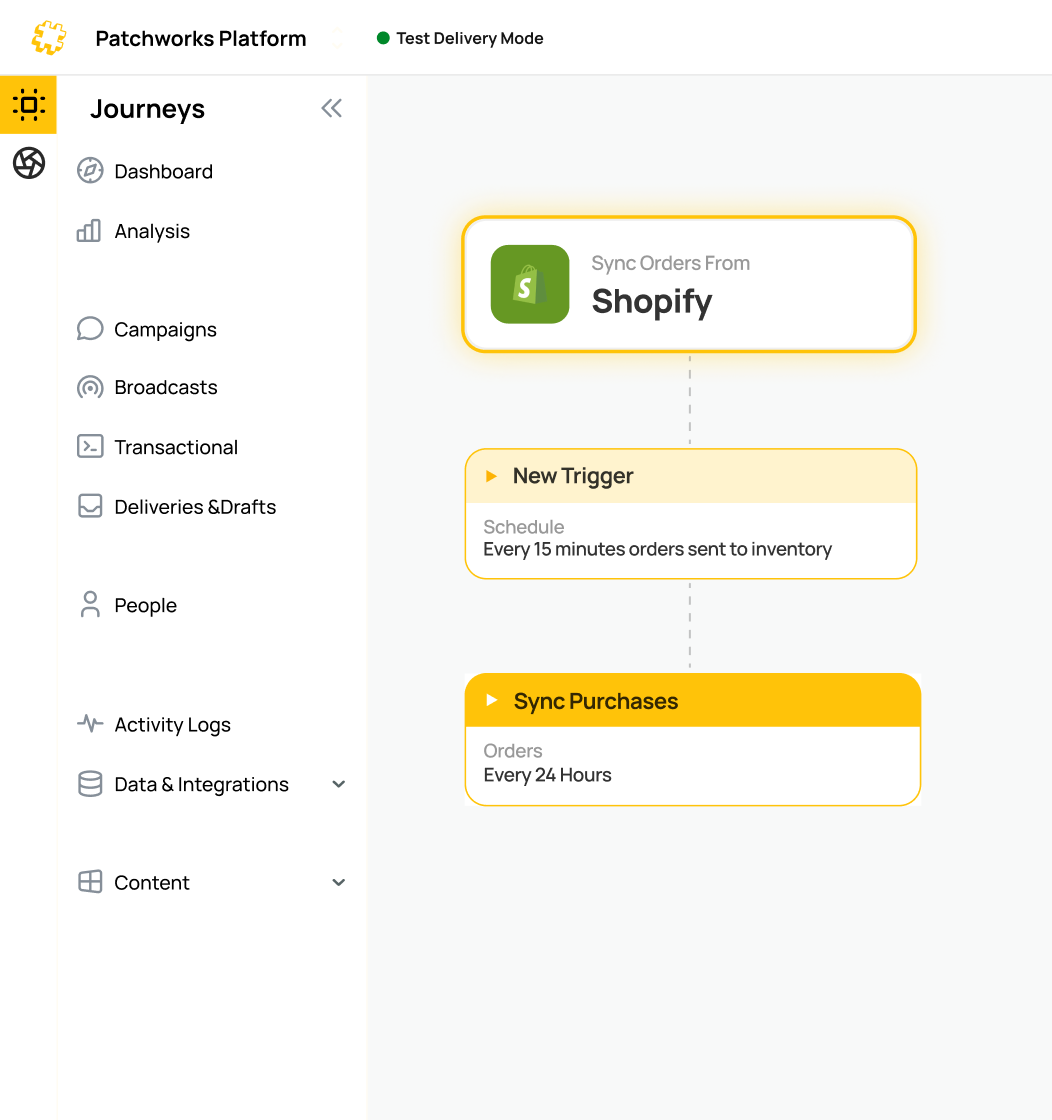
Partner match making
Event Title
Complete the form below to reserve your place and be the first to receive event updates & details.
Download resource
Tell us a little about yourself to download this quality resource.