Beyond the Buy Button: Why Your Integration Architecture Is Your Biggest Operational Risk
Summary
Ecommerce technical debt is a silent operational risk that compounds during high-volume periods like Black Friday. While fragmented integrations and manual workarounds may suffice during normal trading, peak demand exposes these structural flaws, leading to “silent failures” like ERP concurrency bottlenecks and inventory mismatches.
Our research indicates that the average retailer now manages 13.6 different applications, yet nearly half of retail teams remain trapped in manual data reconciliation. To protect peak revenue, leadership must transition from “brittle” point-to-point connections to a resilient integration layer that provides total system visibility and automated data orchestration.
Peak-Season is a Stress Test for Tech
During the standard retail calendar, “good enough” technology often passes the test. However, peak trading events like Black Friday—which can account for over 20% of a brand’s annual revenue—act as a stress test for the entire commerce infrastructure.
The most dangerous risks aren’t always the ones that cause a website to crash; they are the “hidden” architectural weaknesses that cause data to desynchronise behind the scenes. These risks represent ecommerce technical debt: the cumulative cost of manual workarounds and fragile integrations that stifle a brand’s ability to scale.
Risk: The ERP Concurrency Trap
Many Enterprise Resource Planning (ERP) systems were not designed for the high-frequency transaction volume of modern ecommerce. Every system has a limit on how many simultaneous “conversations” (concurrency) it can have via its API.
- The Issue: During peak surges, thousands of orders and inventory updates hit the ERP at once.
- The Failure: Without a middleware layer to queue and “buffer” this data, the ERP hits its performance constraints.
- The Consequence: Connections drop, and critical order data vanishes into a “black hole,” leading to fulfillment delays and manual reconciliation nightmares.
Risk: Data Debt and the Manual Workload
of retail professionals spend more than half their week on manual data tasks.
This is the definition of technical debt.
- The Issue: Retailers often rely on manual CSV imports or “human-in-the-loop” processes to sync pricing and promotions.
- The Failure: Human-led processes cannot scale at the speed of Black Friday demand.
- The Consequence: Manual workflows lead to error rates as high as 30–35%. For a global brand, this means pricing inconsistencies that erode margins across dozens of storefronts.
Risk: The Fragility of Point-to-Point Connections
Many brands scale by “bolting on” new systems—marketplaces, 3PLs, or POS systems—using custom-coded, direct connections.
- The Issue: These “brittle” integrations lack a central orchestration layer.
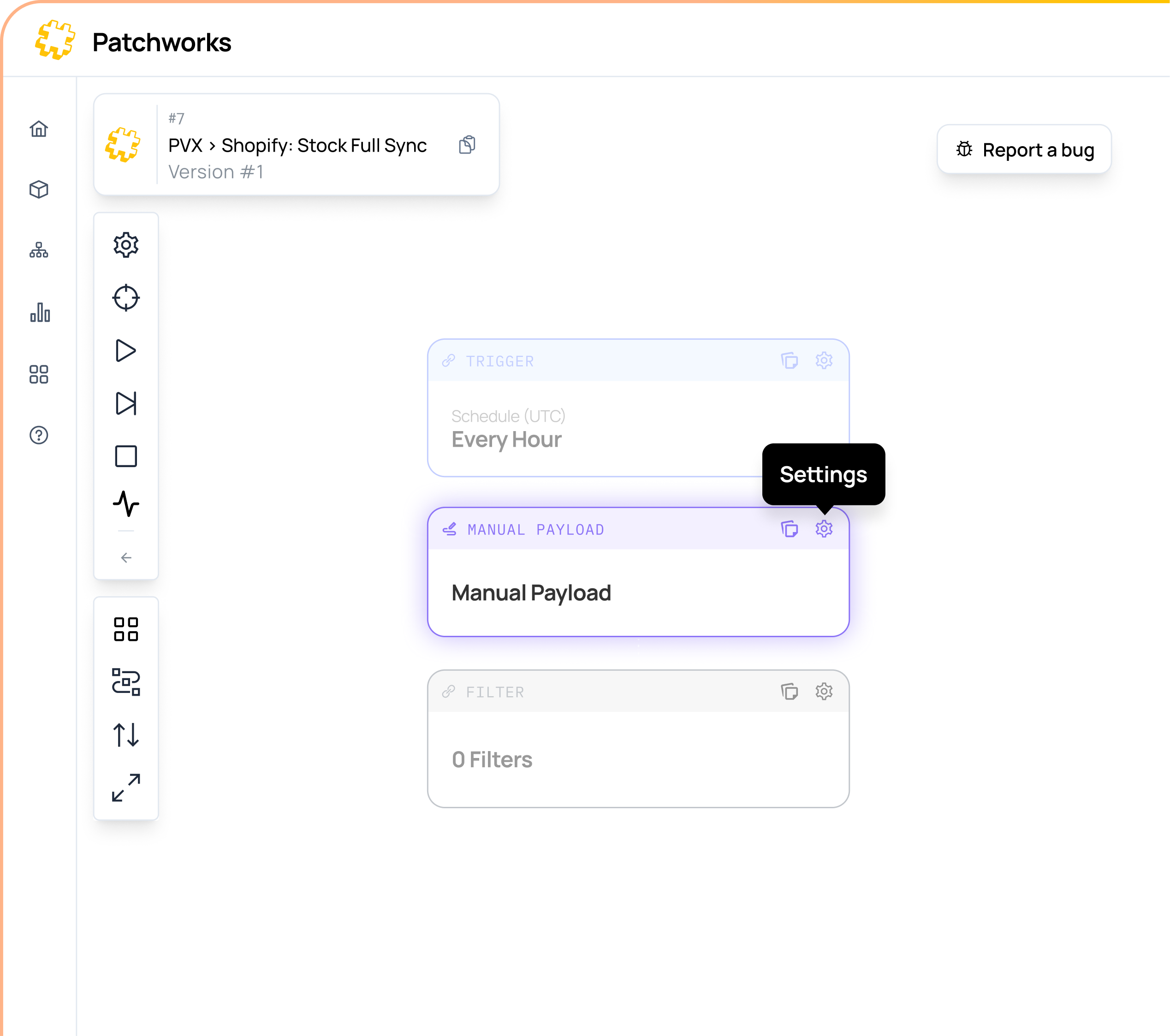
- The Failure: If a single marketplace changes an API requirement or experiences a lag, the lack of system visibility makes it impossible to identify the break quickly.
- The Consequence: A “silent failure” in one connection can desynchronise the entire stack, leading to inventory data inconsistency and widespread overselling.
Risk: Legacy Middleware and Lack of Visibility
Using outdated middleware is often more expensive than upgrading to a modern iPaaS due to integration maintenance costs and overhead.
- The Issue: Legacy systems often lack real-time monitoring and automated error handling.
- The Failure: Retail teams are forced to be reactive, only discovering a sync error after a customer complains.
- The Consequence: Without real-time visibility, an inventory mismatch can go unnoticed for hours, resulting in hundreds of unfulfillable orders and permanent brand damage.
Turning Risk into Resilience: The Castore Proof Point
Luxury sportswear brand Castore recognised that their manual pricing architecture was a primary operational risk. Before upgrading their infrastructure, global pricing updates took ~5 hours to propagate, with an error rate of up to 35%.
By implementing Patchworks as a retail-first integration layer, they eliminated these hidden risks:
- Real-time visibility: Error rates dropped to 1–2%.
- Scalable automation: Pricing updates now take only 2–3 minutes.
- Architectural stability: Their ERP concurrency remained stable even while supporting 35 global Shopify storefronts during peak demand.
Summary: Audit Your Stack Before the Surge
Technical debt is not a static problem; it is an active operational risk that compounds under pressure. Retailers that prioritise integration performance optimisation and infrastructure testing months in advance are the ones that survive peak trading without system failures.
Is your commerce stack hiding silent revenue killers?
📝Take the Peak Readiness Assessment: to evaluate your infrastructure and identify hidden risks before they impact your revenue
🛠️ Get the full guide on preparing for peak trading: with step by step tips to help ensure you eliminate risks this year
👩💻 Speak to an integration expert: for full support in bringing your tech architecture up to standard