Patchworks vs. Jitterbit
Don’t get trapped by proprietary scripting and dated interfaces. Patchworks delivers a retail-first integration layer with real-time operational intelligence and AI efficiency that ensures your commerce data flows never fail silently.
Need help with switching to Patchworks?

Zero Scripting, Total Agility
Deploy and manage retail integrations without needing specialist developers.
Retail Operational Intelligence
Identify stalled syncs before they turn into customer complaints.
Built for Retail Concurrency
Engineered specifically for the intense data spikes of global retail.
Stop building retail logic from scratch.
Jitterbit Harmony is a versatile tool for technical teams, but its generalist nature often creates “silent failures” where data stalls without clear alerts. Patchworks provides a specialist foundational layer that “speaks commerce,” giving you the proactive monitoring, pre-built commerce patterns, and powerful AI agents that legacy platforms lack.
What makes Patchworks different?
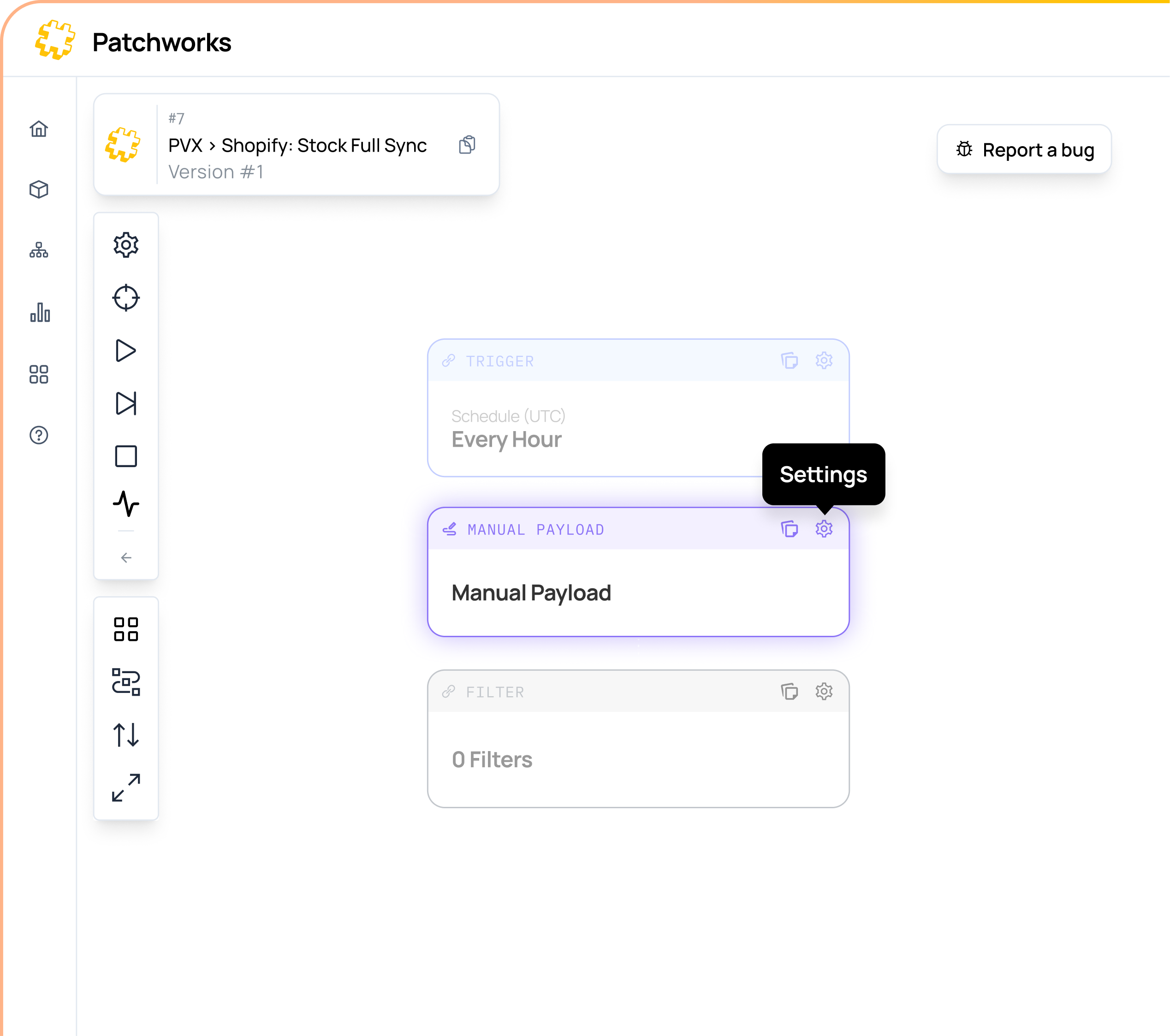
Trade proprietary scripts for a modern visual canvas and AI-assisted custom scripting.
Bypass the 6-month “build-from-scratch” cycle with rapid retail accelerators.
Designed for high-growth retailers who need to scale without bill shock.
Core key Differences
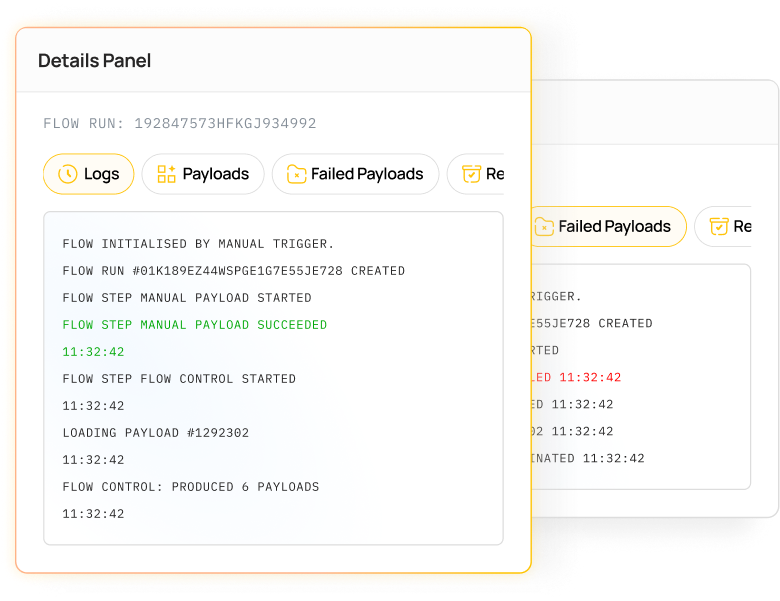
Proactive Monitoring vs. Passive Logging
Visibility that protects experience
Patchworks provides real-time operational intelligence, flagging sync errors instantly so you fix them before your customers notice.
Modern Tooling vs. Proprietary Scripting
Empowered, not developer-dependent
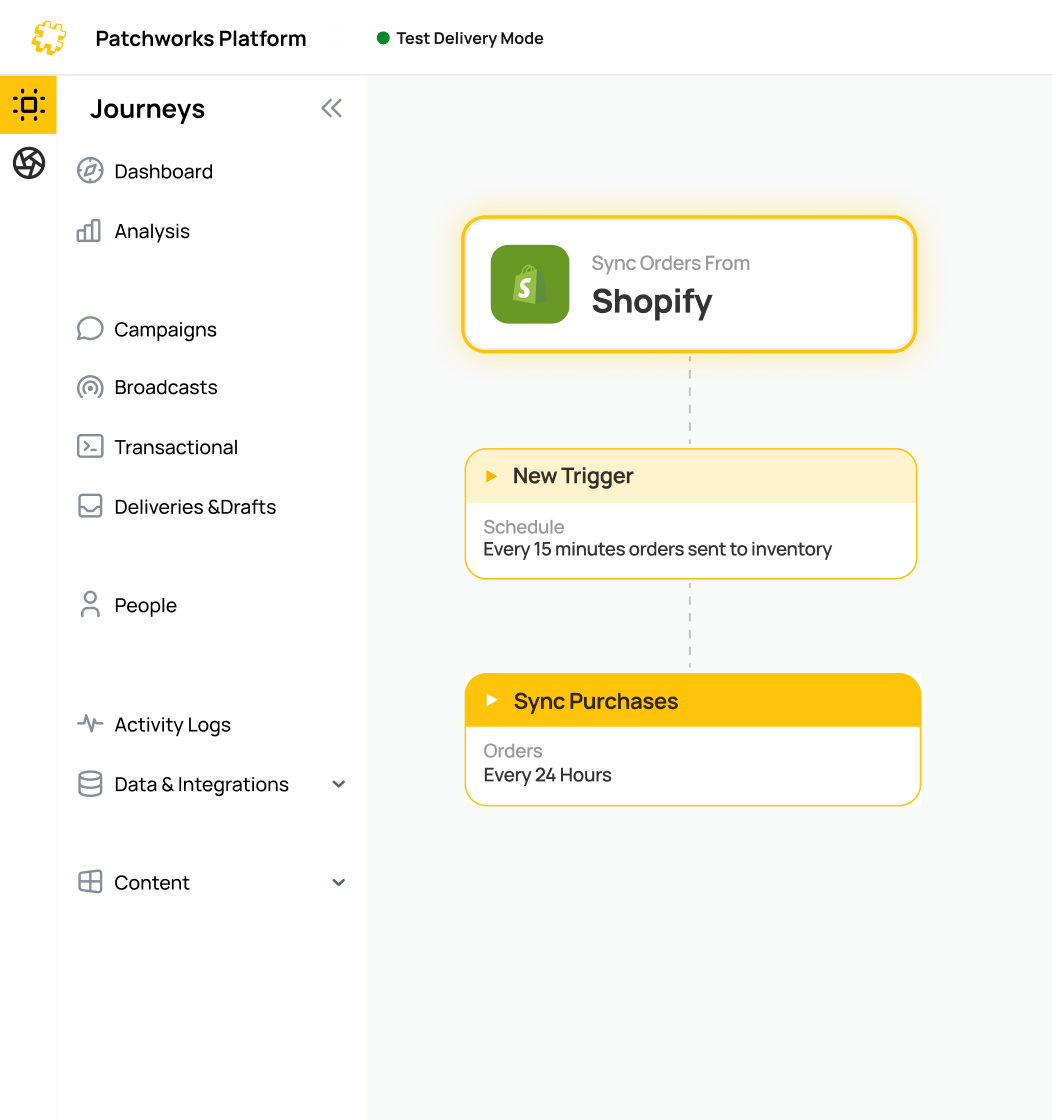
Patchworks uses a modern, low-code AI Connector Builder and visual flow designer, allowing your internal IT and Ops teams to move at the speed of retail.
Retail Specialism vs. Generalist iPaaS
Engineered for commerce data
Patchworks is a specialist layer designed specifically for the unique data models of orders, inventory, and refunds, ensuring your global commerce stack is unified and resilient.
Quick comparison guide
| Comparison Factor |
|
Jitterbit |
|---|---|---|
| Industry Focus |
Specialist Multi-channel Retail
|
—
Generalist (Salesforce/Hybrid IT)
|
| Operational IQ |
Proactive Retail Flow Alerts
|
—
Passive System Logs & Diagnostics
|
| Logic Layer |
No-code / AI Flow Builder
|
—
Low-code / Proprietary Scripting
|
| Implementation |
Weeks: Rapid Retail Blueprints and AI Studio
|
—
Months: Complex "Build-from-scratch
|
| User Interface |
Web-Native UX with AI chat modal
|
—
Dated Legacy Interface
|
| Pricing Model |
Transparent & Predictable
|
—
Opaque Quote-Based / Per-Recipe
|
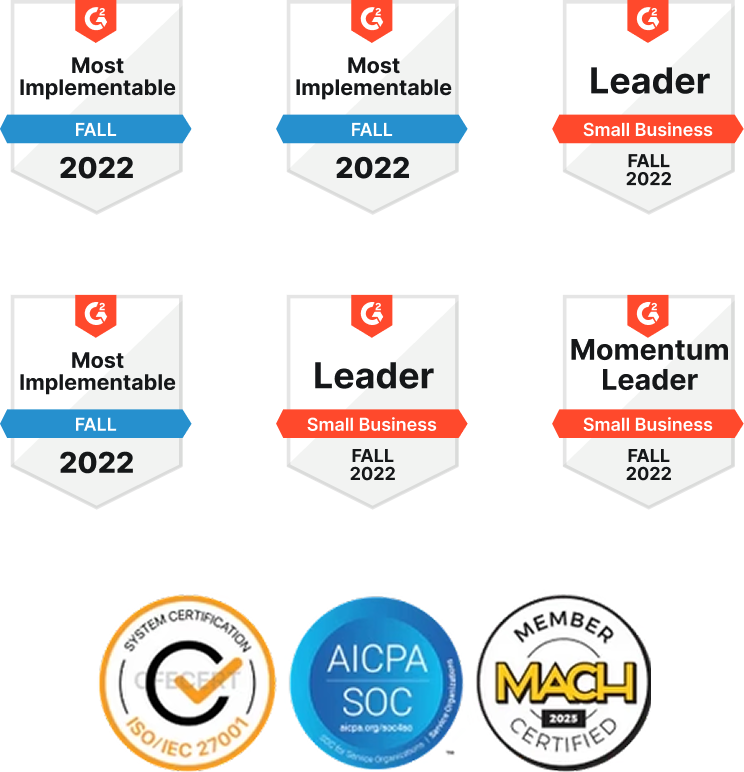
We’re independently rated by retailers on G2
98%
Say Patchworks is a good partner in doing business
100%
Positive product direction
96%
Likelihood to recommend
4 Months
Average ROI
How Patchworks and JItterbit compare on G2
| Metric |
|
Jitterbit |
|---|---|---|
| Ease of Admin |
92%
|
—
84%
|
| Ease of Use |
91%
|
—
85%
|
| Good partner in doing business |
98%
|
—
92%
|
| Likelihood to recommend |
96%
|
—
91%
|
| Product direction (positive) |
100%
|
—
87%
|
| Average ROI |
4 months
|
—
11 months
|
| Data Mapping |
97%
|
—
89%
|
| EDI |
95%
|
—
90%
|
| Real-Time Integration |
97%
|
—
91%
|
| Flow Designer |
97%
|
—
81%
|
Based on a G2 Fall 2026 Mid-Market Comparison Report.
Supporting complex retail operations across fast-growing brands










Proven by retailers operating at scale
97
%Reduction in Error Rates

“What surprised me was just how effortless it was. Once the data was prepared properly, Patchworks moved it into Shopify incredibly fast.”
Andy Richley
Head of Tech, Castore
91
Total Managed Flows

“Patchworks offers a great portfolio of integrations and are working towards many more.”
Paula Abisolo
Omni-Channel Delivery Lead, Mint Velvet
Already using Jitterbit?
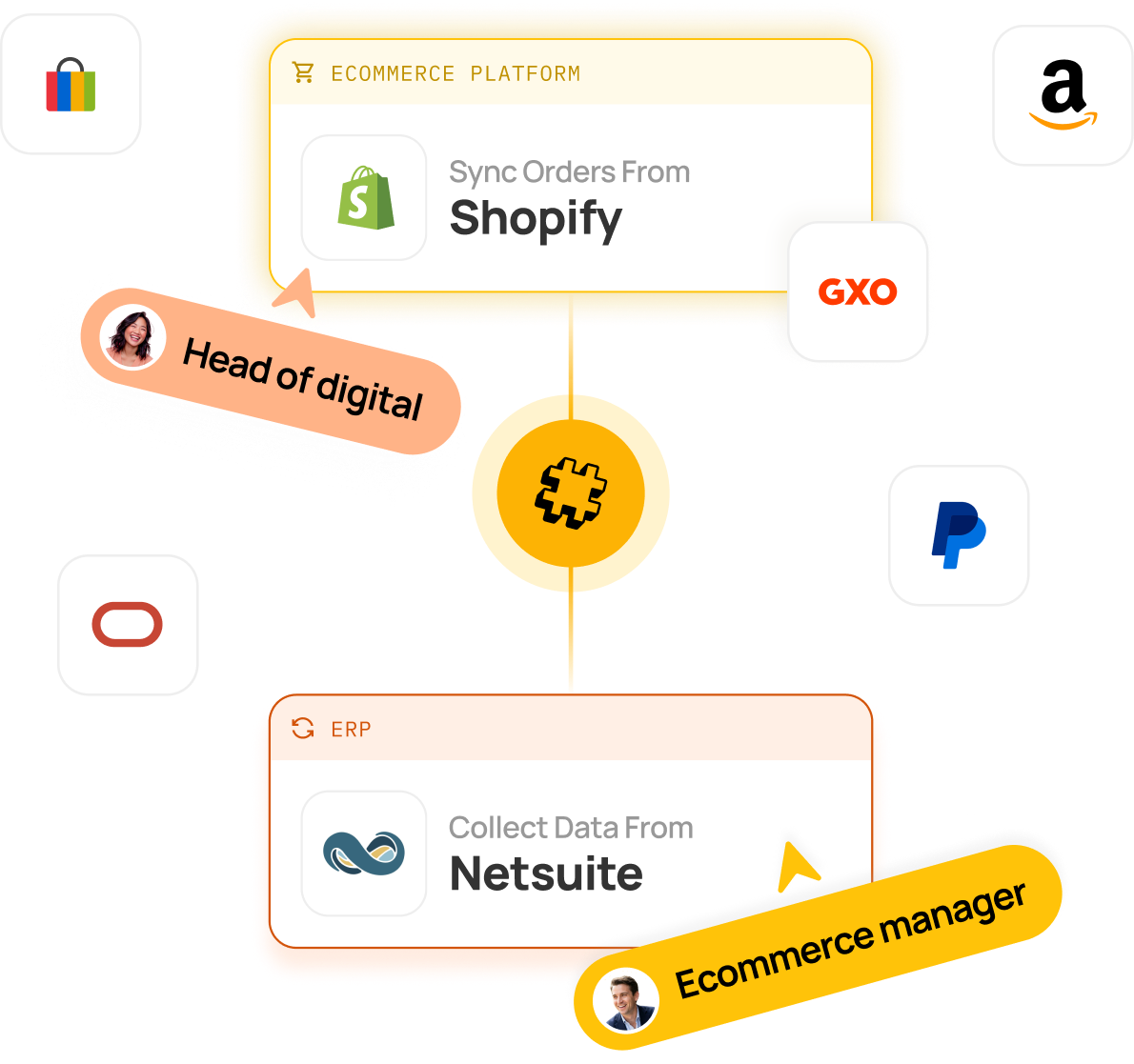
If your team built its integrations in Jitterbit Harmony — using its recipes, formulas, or Script custom logic — moving to Patchworks doesn’t mean starting from zero. AI Studio’s Migration Agent reads the export files and data structures from your existing platform and converts them directly into working Patchworks flows, so commerce-specific logic — orders, inventory, product data — comes with structure already applied, rather than being rebuilt script by script.
Frequently asked questions
Jitterbit is a powerful generalist tool, but its complexity often creates a “black box” effect for retail teams. Patchworks is built specifically for the commerce ecosystem, offering faster deployment thanks to our AI Studio, retail-specific blueprints, and the operational intelligence needed to prevent sync errors from becoming customer complaints.
No. Jitterbit frequently requires proprietary scripting for complex data transformations. Patchworks is a modern, AI-powered, low-code environment. With our Postman Importer and smart AI mapping tools, your internal team can manage integrations without needing to learn a specific vendor language.
Generalist platforms like Jitterbit serve many low-consequence industries. Patchworks is engineered for the high-concurrency world of retail. Our auto-scaling infrastructure is battle-tested for the intense data spikes of Black Friday, providing the operational confidence that legacy middleware struggles to guarantee.
Jitterbit Harmony lists integrations with a wide range of ERPs out of the box, including SAP and Oracle Fusion Cloud alongside NetSuite, which makes it a reasonable fit if your business runs a less common ERP stack. Patchworks’ strength is depth rather than breadth on the ERP side: we connect deeply with the ERPs and 3PL systems most UK and European retailers actually run — NetSuite, SAP, Microsoft Dynamics, and Sage — with the specific commerce logic already built in, rather than a generic connector you configure yourself. If your ERP isn’t one we cover, it’s worth checking our connector list before ruling either platform in or out.
Jitterbit typically prices on a quote-based or per-recipe basis, which can make it harder to compare costs upfront or predict how pricing scales as you add integrations. Patchworks uses a transparent, tiered subscription model built around your connector count and monthly operations, so you know what a busy month costs before it happens.
Most of the switching work isn’t rebuilding your integrations from nothing. AI Studio’s Migration Agent is built for exactly this: it reads the export files and data structures from your existing platform and converts them directly into working Patchworks flows. From there, our pre-built retail blueprints handle the common commerce patterns — orders, inventory, product data, customer records — so your team spends its time on what’s genuinely specific to your business, not rebuilding scripted logic from scratch. Get in touch and we’ll help you scope what that looks like for your stack.