





Fashion & Apparel
Castore
Case Study
Data Transformations
Clean, format, and normalise your data in flight. Apply logic, standardise inputs, and ensure every system receives data in the format it expects. Eliminate the need for middleware workarounds.
Fix inconsistent values and ensure every field meets your requirements before it moves downstream.
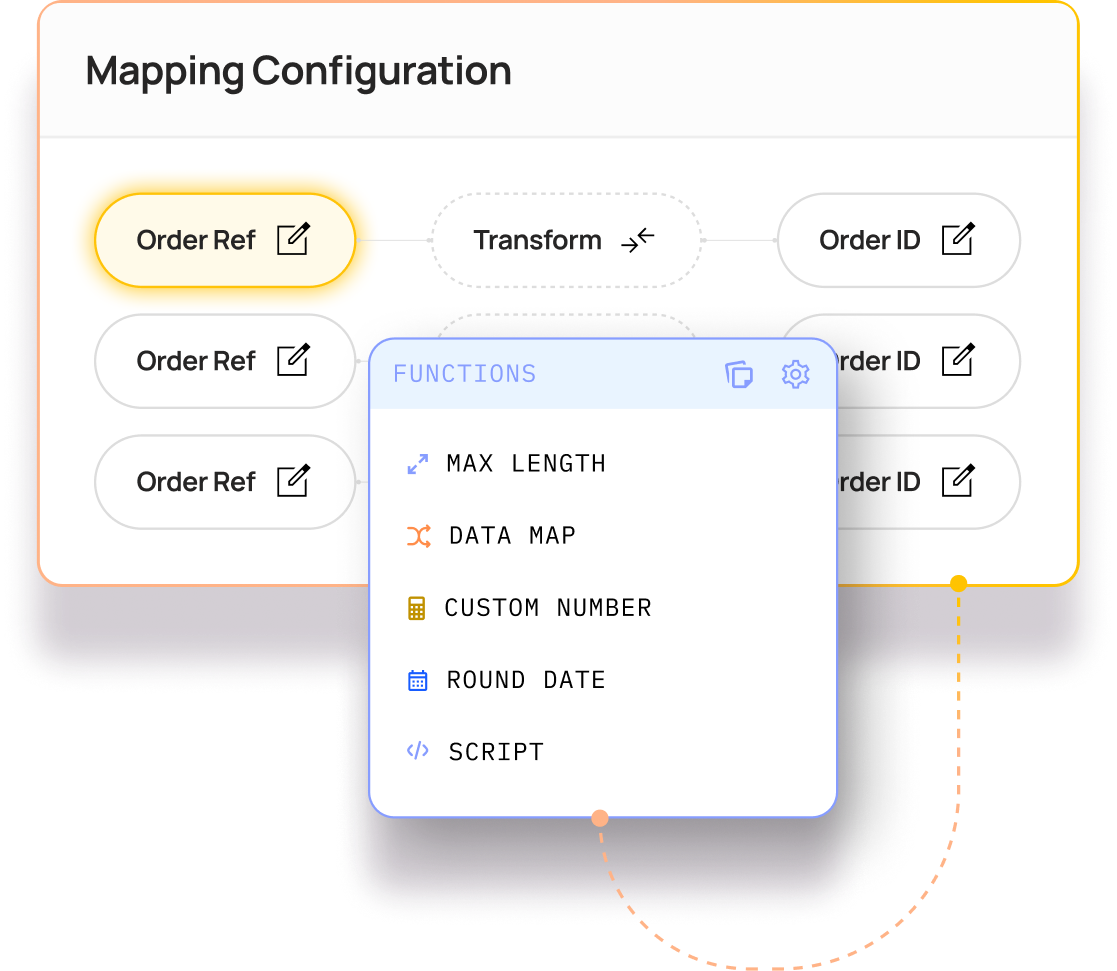
Use built-in functions and conditional logic to control how data is transformed.
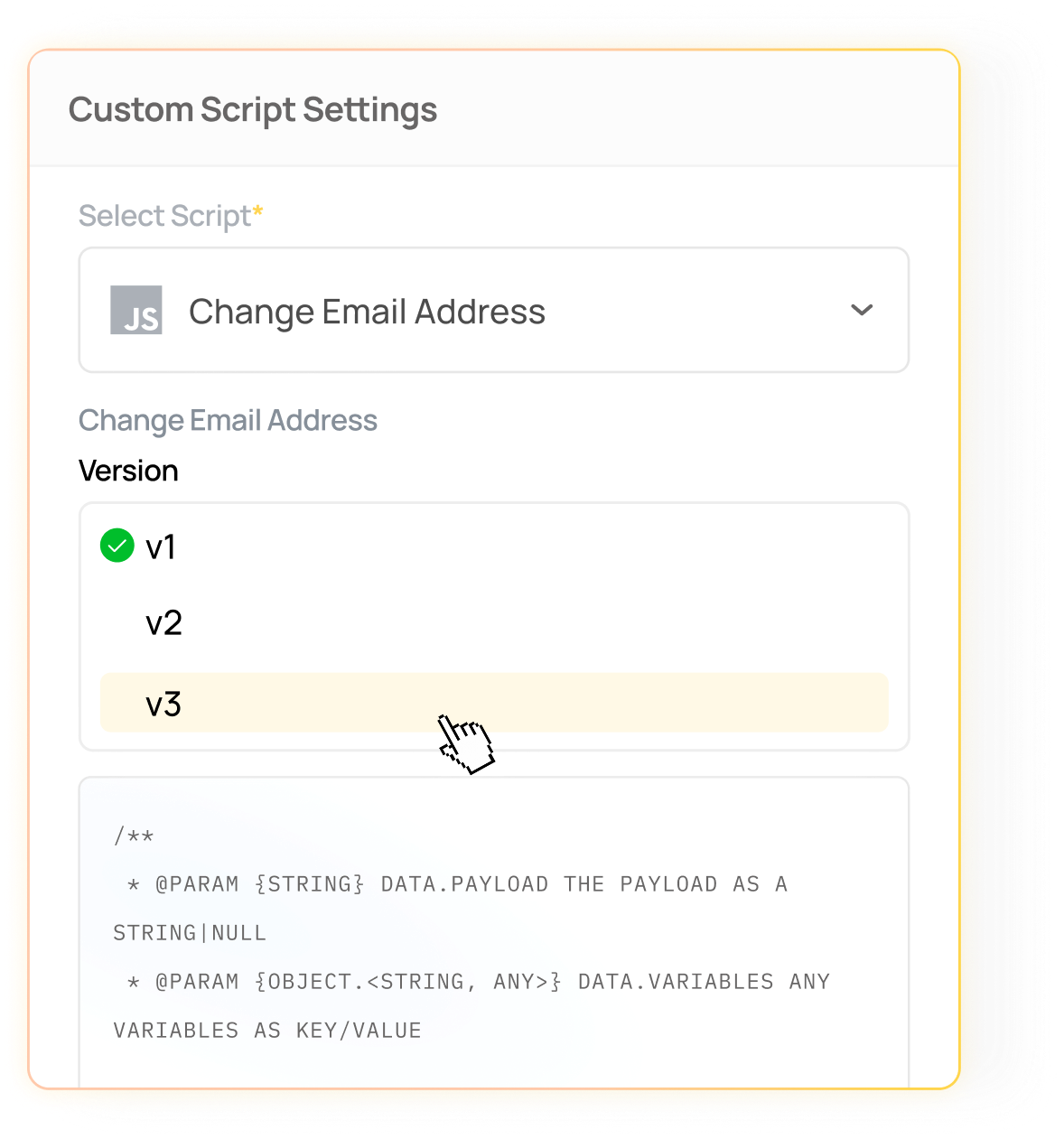
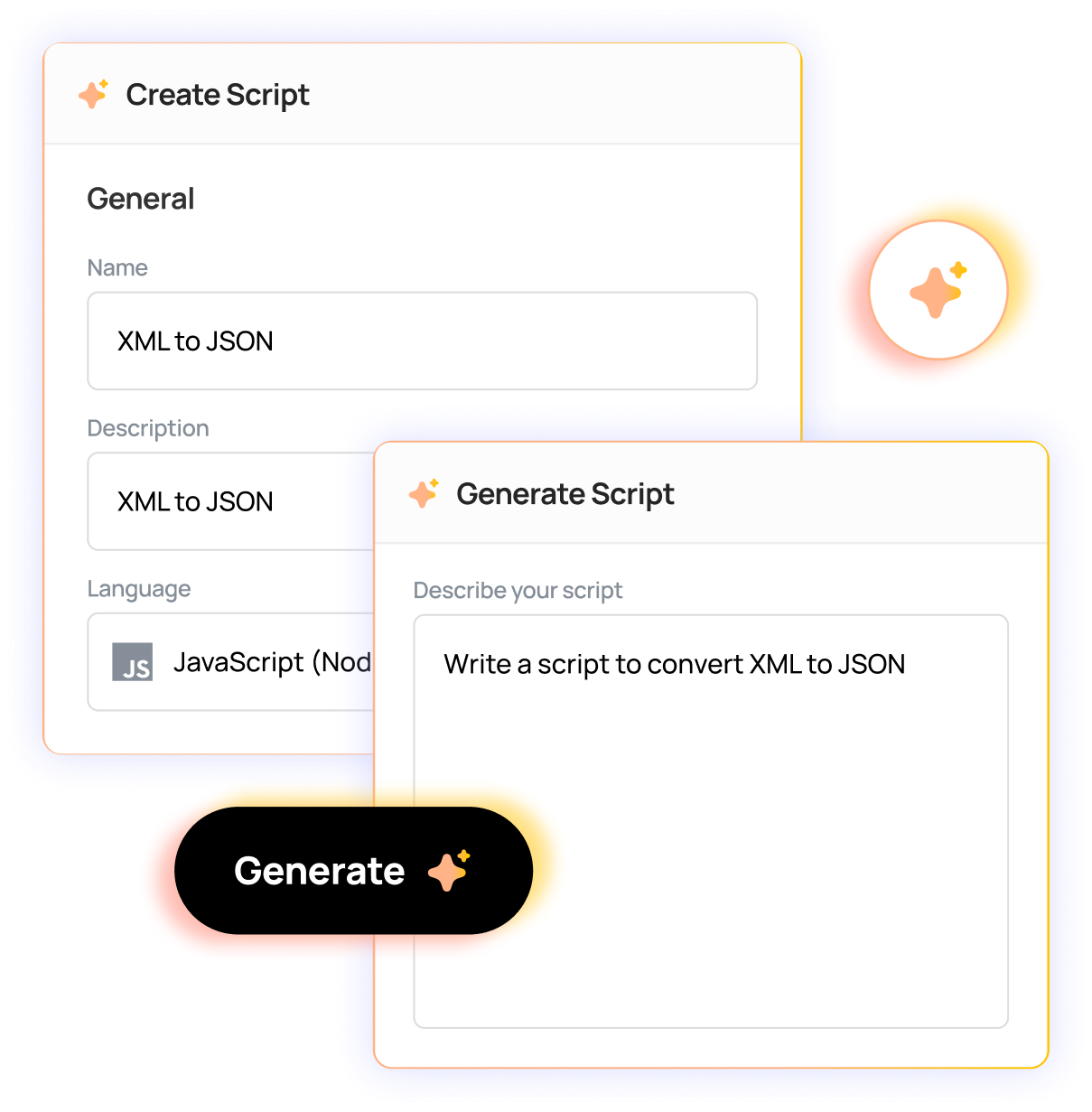
Go beyond standard mappings with script-based transformations, for complex logic and tailored data.
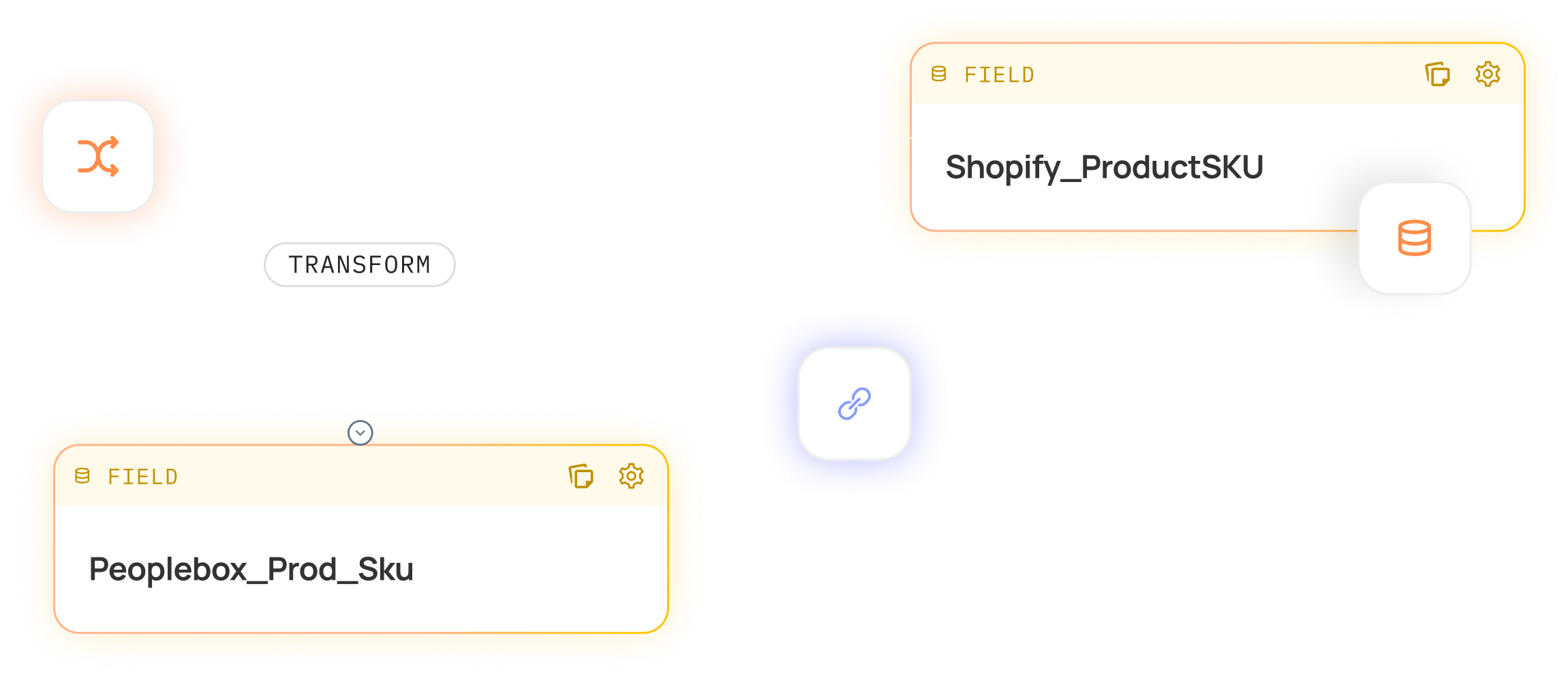
Data rarely arrives in the format your systems expect. Transformations let you clean, structure, and control that data in real time—so integrations stay reliable and your systems stay in sync.
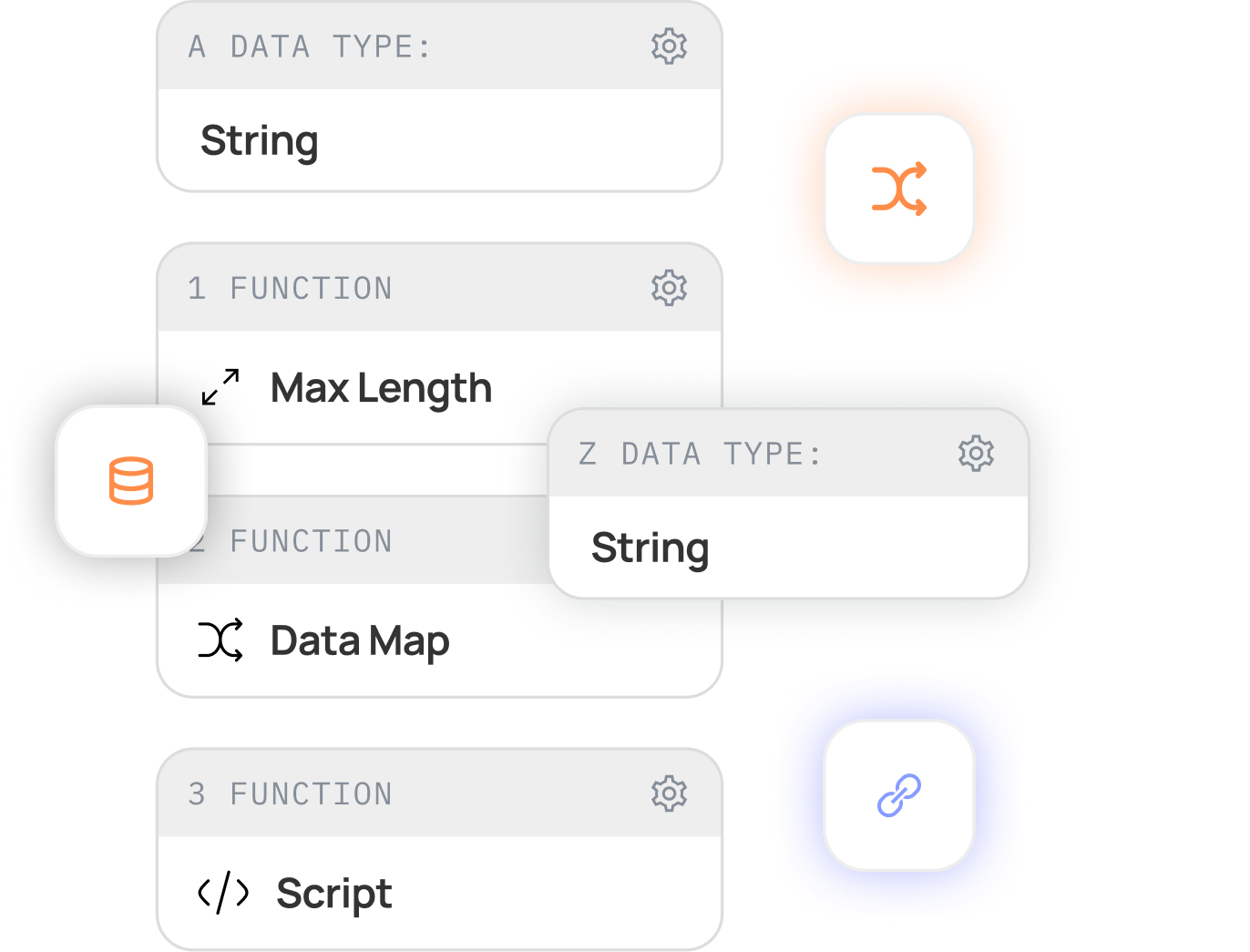
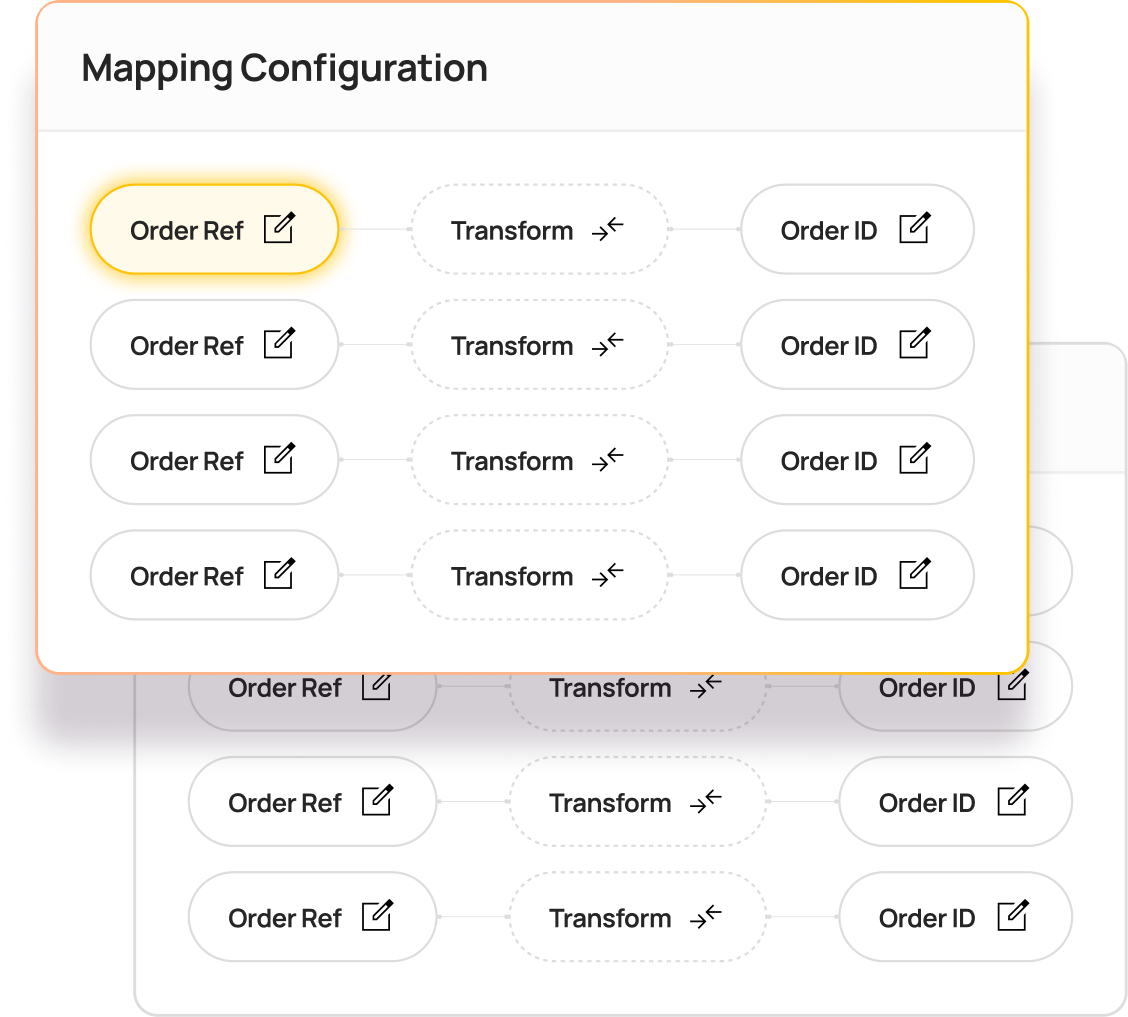
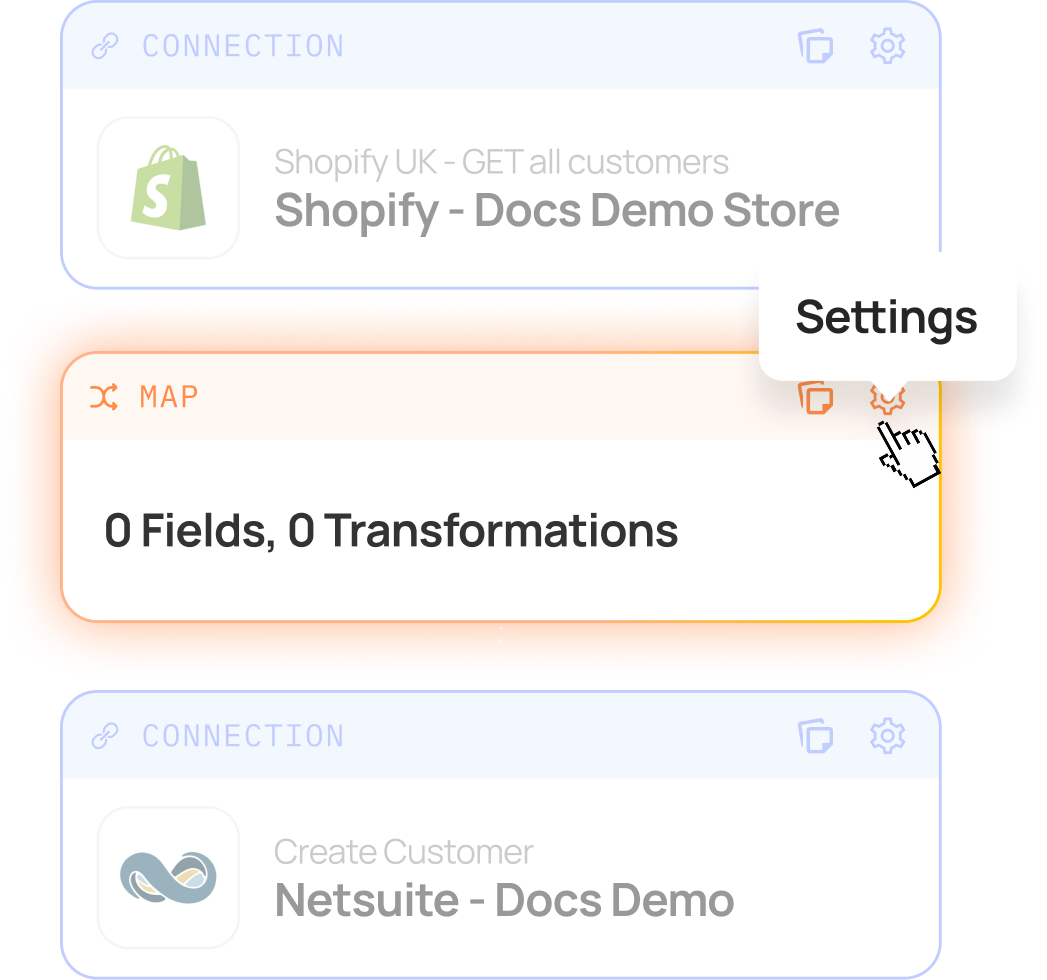
Apply functions, logic, and formatting directly within your mappings. See exactly how data is transformed before it reaches its destination.
Clean, format, and structure data as it moves through your workflows—no preprocessing or external scripts required.
View exactly how data is transformed at every step. Debug, adjust, and maintain mappings without digging through hidden code.
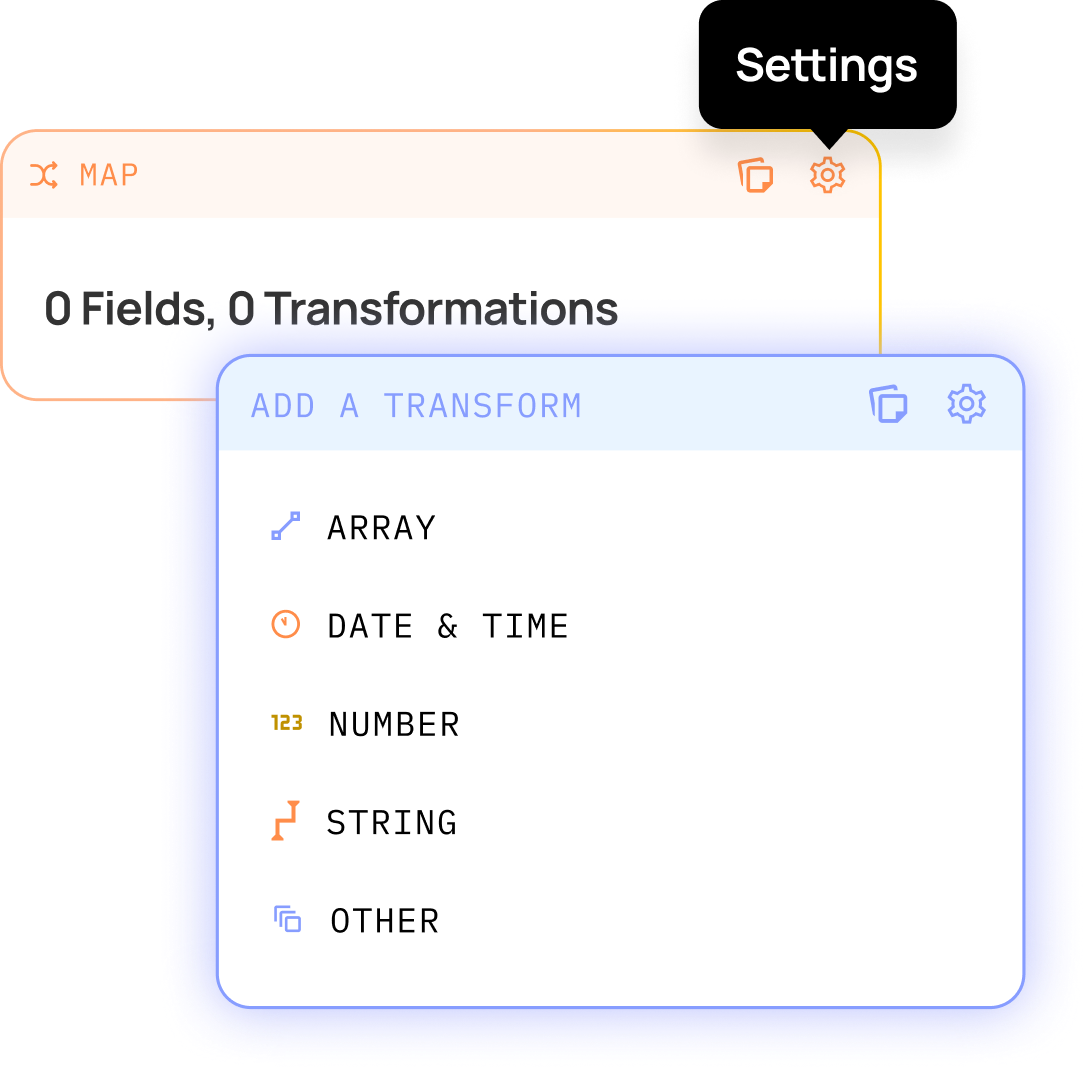
Use ready-made functions to format strings, encode data, and standardise values—without writing everything from scratch.
Handle complex logic with script-based transformations. Combine fields, apply advanced rules, and tailor data to any system.
Transformations are applied within process flows using mapping tools and functions. You can modify, clean, and restructure data in real time as it moves between systems—ensuring each platform receives data in the exact format it expects.
Yes. Alongside prebuilt transformation functions, you can use scripting to apply custom logic for complex scenarios—giving you full control over how data is shaped and handled.
Patchworks supports a wide range of transformations, including string manipulation, formatting, conditional logic, JSON encoding, padding, and custom scripting—covering both simple adjustments and complex data restructuring.
No. Transformations are processed efficiently within the flow, ensuring data is handled in real time without slowing down your integrations.
Yes. You can test and validate transformations within your process flows before deploying to production, reducing errors and ensuring data behaves as expected.
Not necessarily. Many transformations can be configured using built-in functions and visual tools, while developers can extend functionality with scripting when needed.
Average Review Score on G2