Your systems are connected. But are they ready for what’s next?
Just 27% of UK retailers describe their integration setup as fully connected and scalable. The largest group, 37%, say they’re mostly connected: close, but still carrying the gaps that show up at peak or when a new channel launches.
Answer a few questions about your stack and how your integrations run. In about 3 minutes you’ll get your maturity stage, how you compare with 200 UK retail technology leaders, and your top three priorities.
What you’ll get with this free assessment
- Your maturity stage on the four-stage retail integration maturity model, with a score out of 20
- How you compare with 200 UK retail technology leaders, answer for answer, using the survey’s own questions
- Your top three priorities, ranked, with what to do about each one and where Patchworks fits

Retail integration maturity assessment
Which stage of integration maturity are you at?
Answer 14 questions to place your business on the four-stage retail integration maturity model, see how you compare with 200 UK retail technology leaders, and get your top three priorities. Takes about five minutes.
Step 1 of 3
Your stack today
Loading questions. If they don’t appear, scripts are being blocked or delayed on this page.
Most retailers aren’t disconnected. They’re nearly connected, and that’s where it costs.
Few retailers still run completely siloed systems. The bigger problem is the stack that works most of the time: integrations built one at a time, a plug-in here and a custom script there, that hold up on a normal day and break when something changes. A platform update, a new marketplace, a spike in orders.
That’s why the gap shows up in day-to-day operations rather than on an architecture diagram. 48% of UK retailers rely on manual fixes and workarounds to get through busy periods. 31% still connect their systems with custom integrations that need developer time to build and maintain, and only 13% have moved to an integration platform.
The next shift raises the stakes. AI agents can only act on data they can reach, so the retailers who get the most from AI will be the ones whose systems are already connected, monitored and governed.

27%
of UK retailers describe their integration setup as fully connected and scalable
48%
rely on manual fixes and workarounds to get through busy periods
13%
have already moved to an integration platform (iPaaS)
2,000+
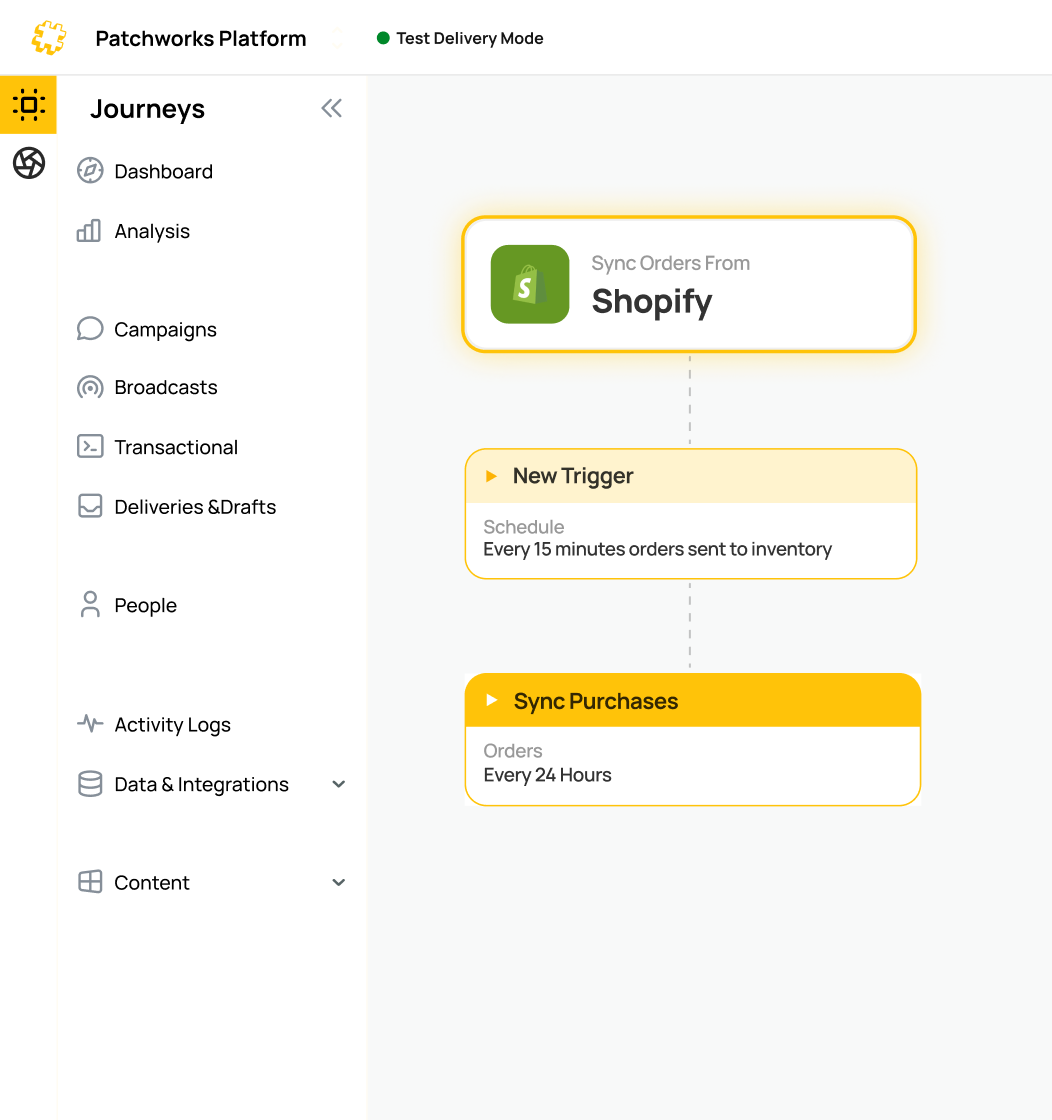
brands and agencies running on Patchworks iPaaS
How Mint Velvet went from a “black box” to full control
Fashion brand Mint Velvet has grown from a House of Fraser concession to more than 55 stores and an international online business. But its previous integration layer was a black box: changes ran through the vendor, and the team had little visibility of what was happening between systems.
Mint Velvet moved to Patchworks, connecting Shopify, NetSuite and the rest of its stack, and completed the migration in three months. It now runs 91 managed flows, resolves integration issues in hours rather than weeks, and handled a 64% Black Friday surge without disruption.
“For a retail business this looks different from brand to brand. The opportunity lies in orchestration and architecture. AI will play a vital role, but equally important will be the humans behind it, supported by an ethical approach and soul.”
— Paula Abasolo, Omni-channel Delivery Lead, Mint Velvet

Supporting complex retail operations across fast-growing brands









Ready to move up a stage?
Talk to an integration specialist about the priorities your assessment surfaces. We’ll walk through your architecture and show you what the next stage looks like for your stack. No generic pitch, just your systems.
What makes Patchworks different?
- See every integration, its status and its failures in one place, in real time.
- Add channels, marketplaces and 3PLs with 500+ prebuilt connectors and a no-code Connector Builder.
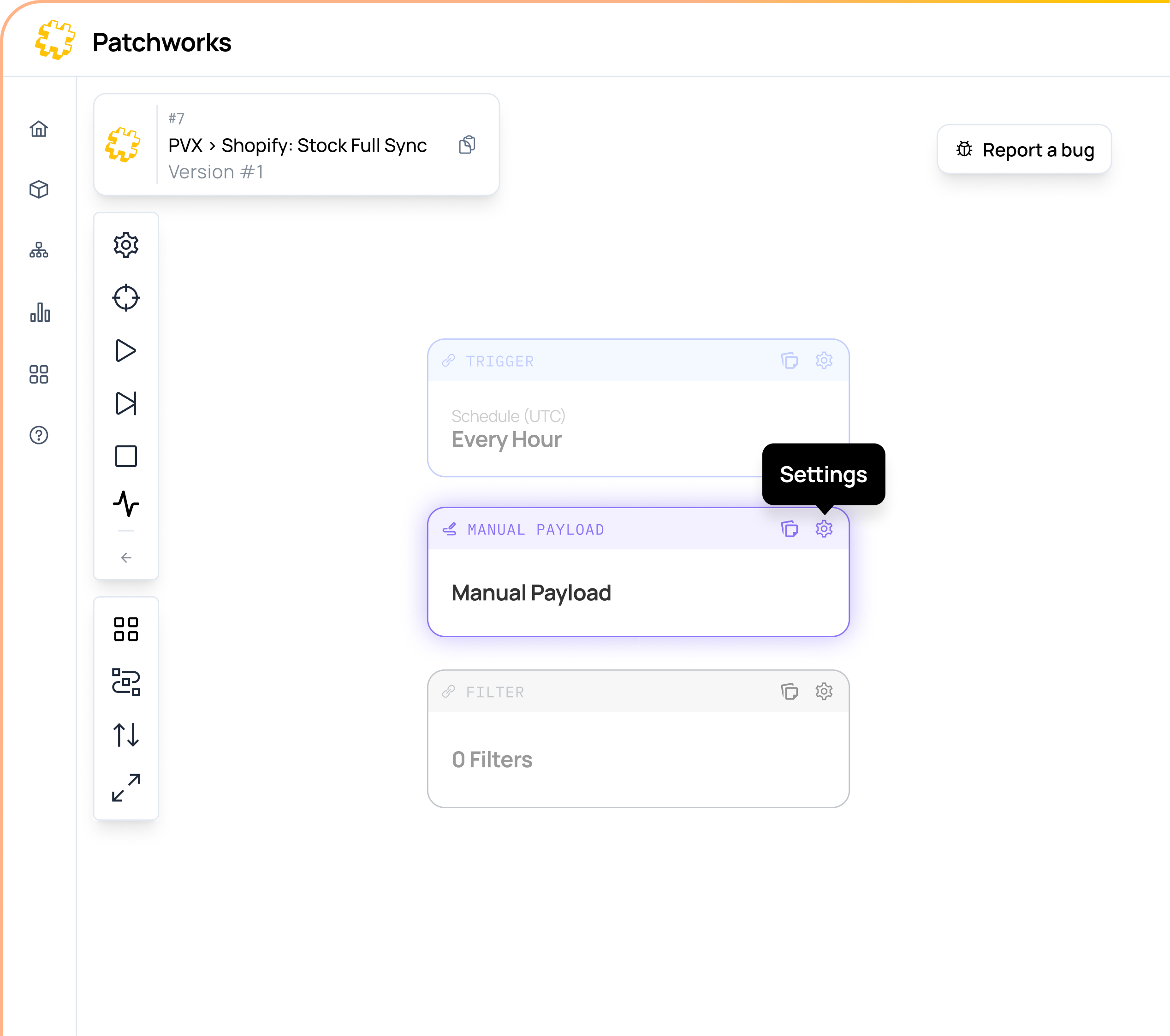
- Put AI to work safely, with AI agents and an MCP Server that act on live data within permissions you set.
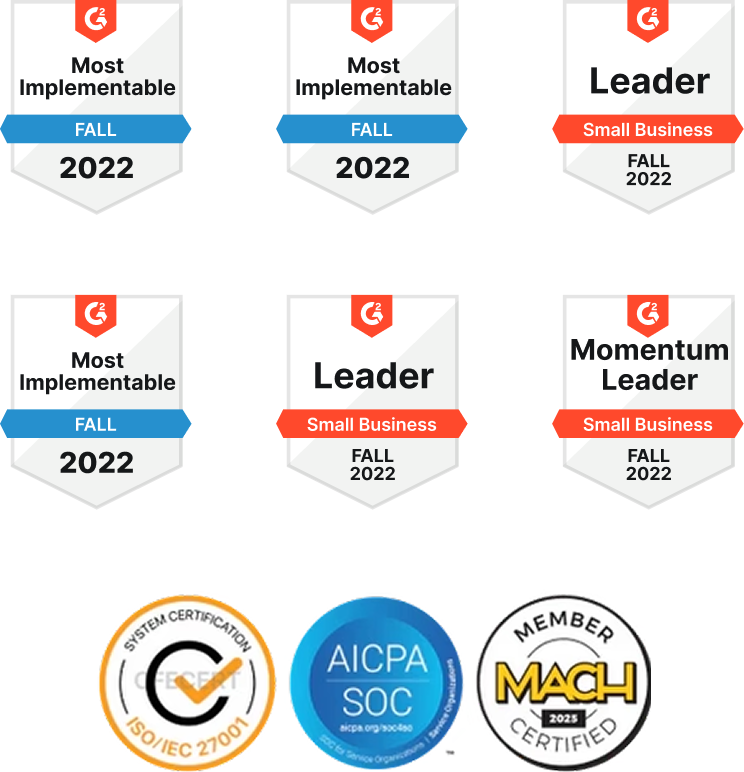
Average Review Score on G2